01
Story of the day
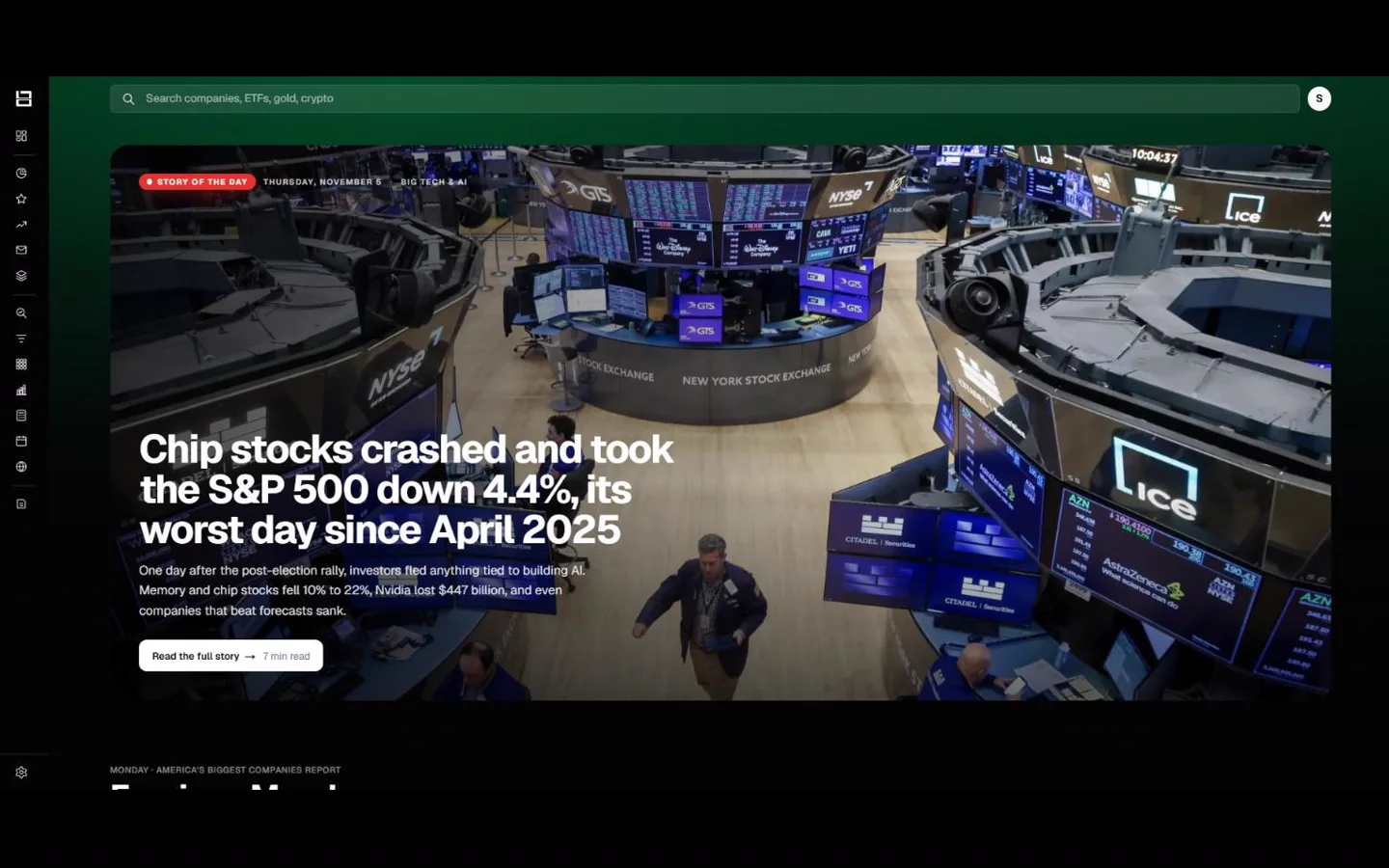
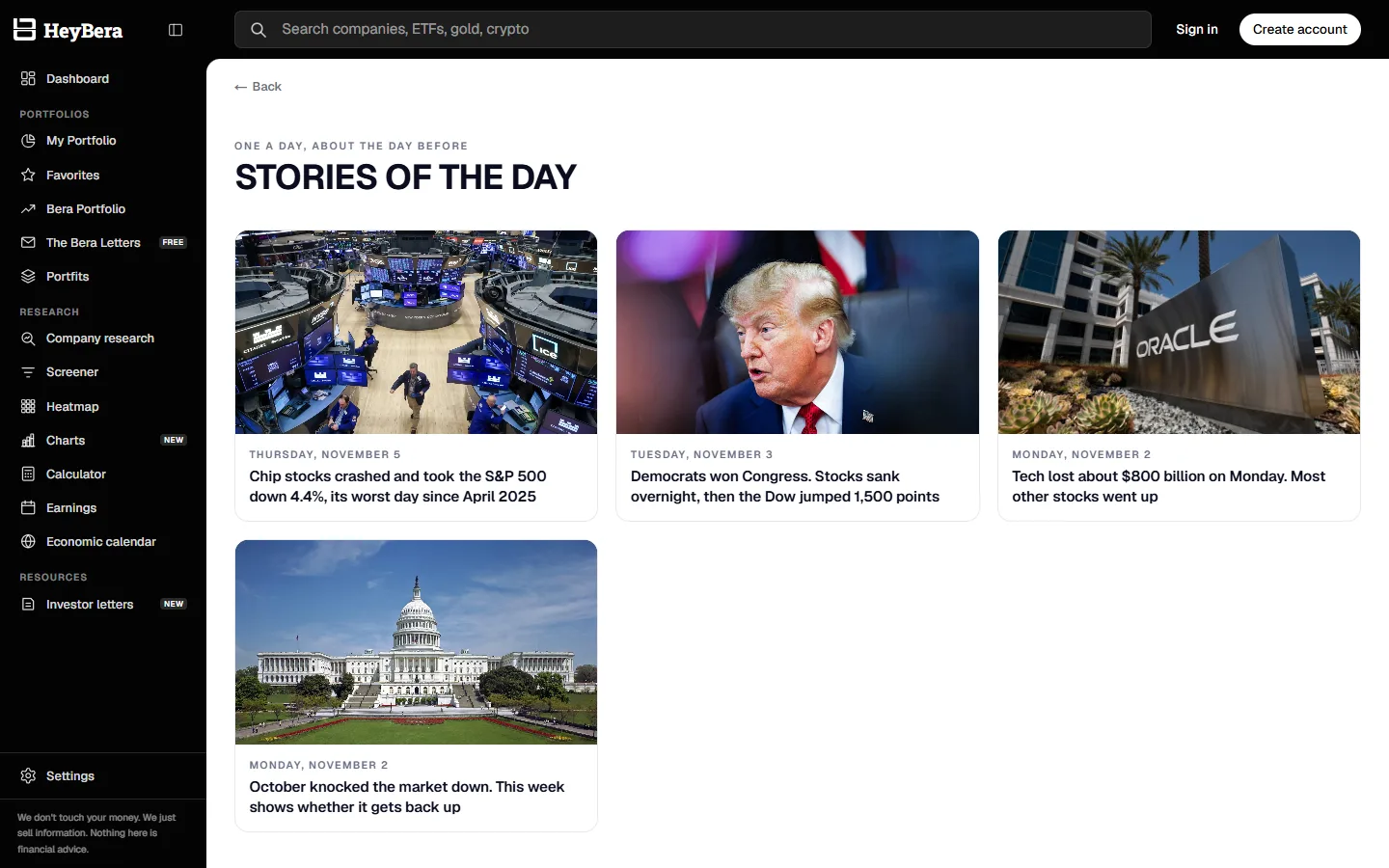
One story each morning about the day before. With AI I go through sources from X (Twitter) to CNBC, pick the story that mattered most, and approve the draft before it is published. Each story stays up for seven days.
← All work · 01 / 06
My fintech startup: the stock market in plain English
A free website about the stock market for everyday investors. Every morning a story of the day, earnings coverage before and after each report, an economic calendar, company research and live prices. I pick the stories and approve everything before it goes out.
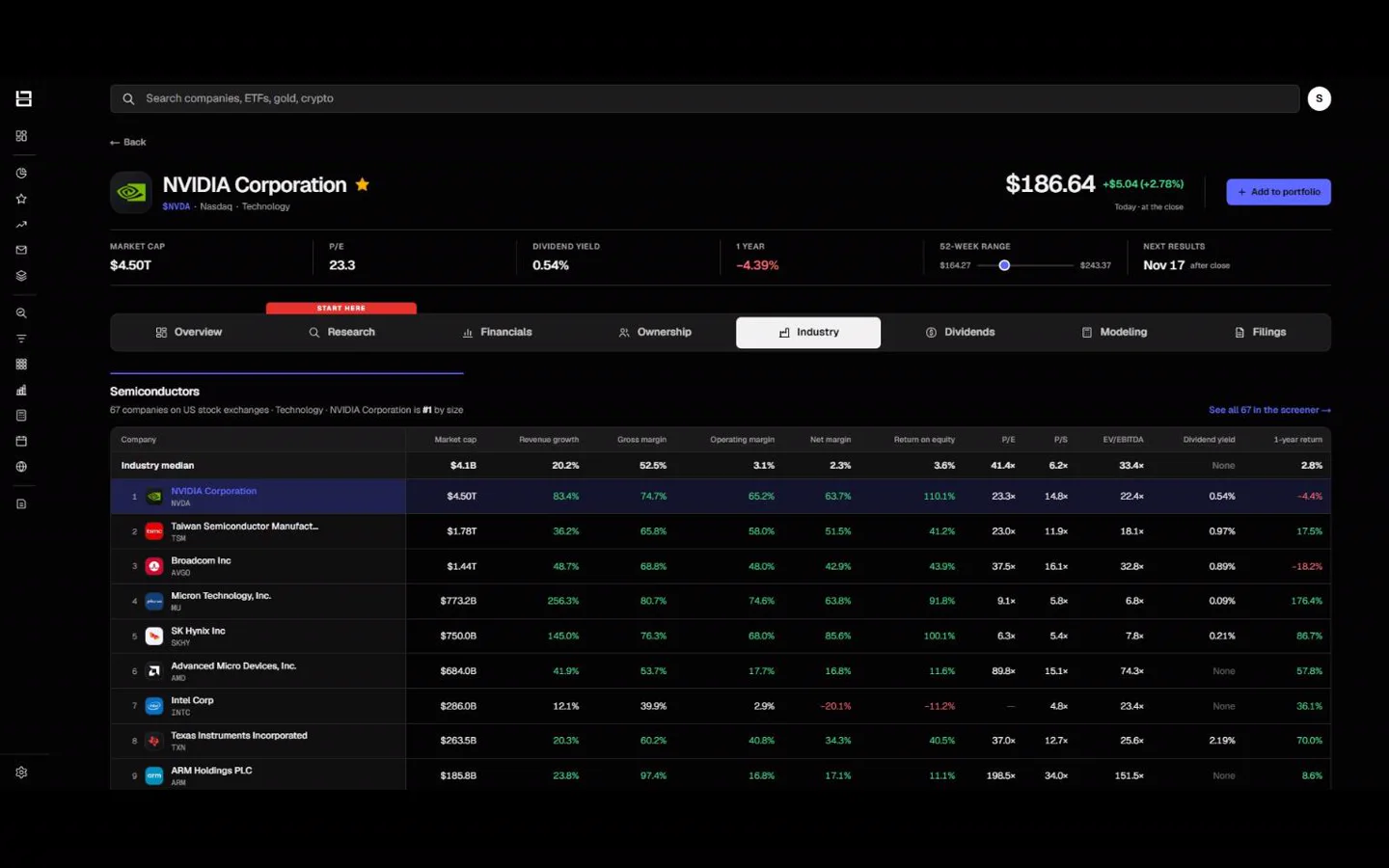
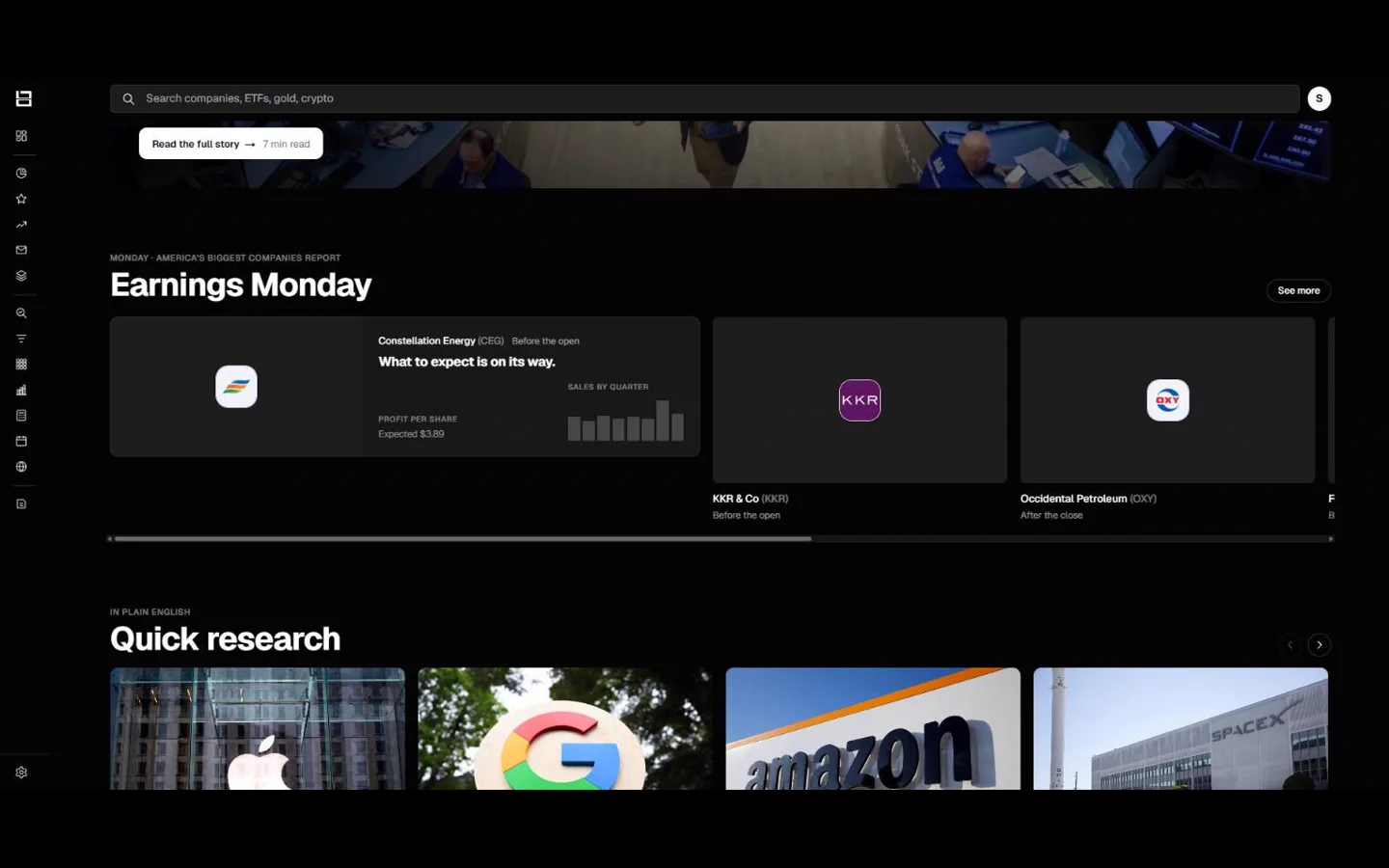
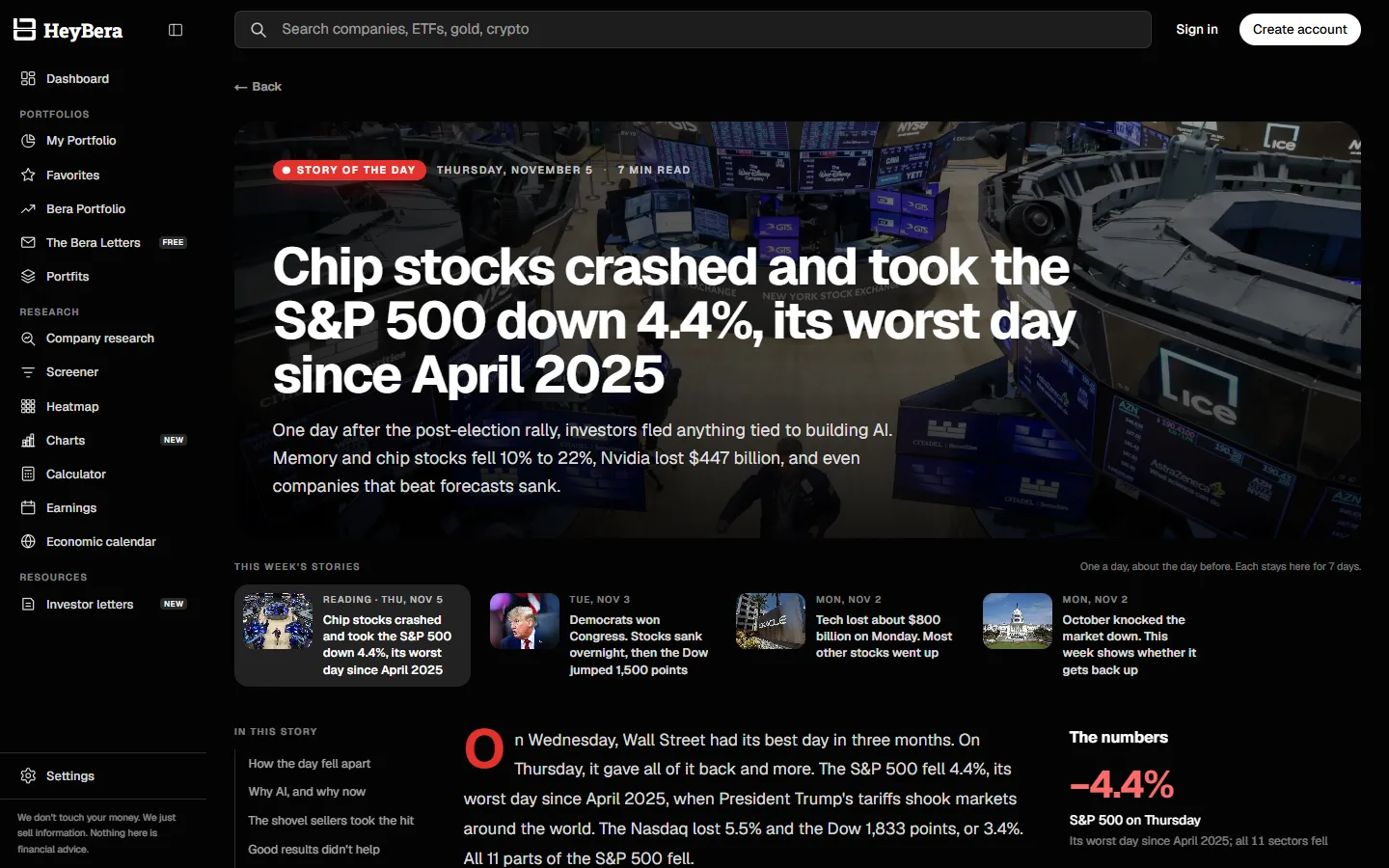
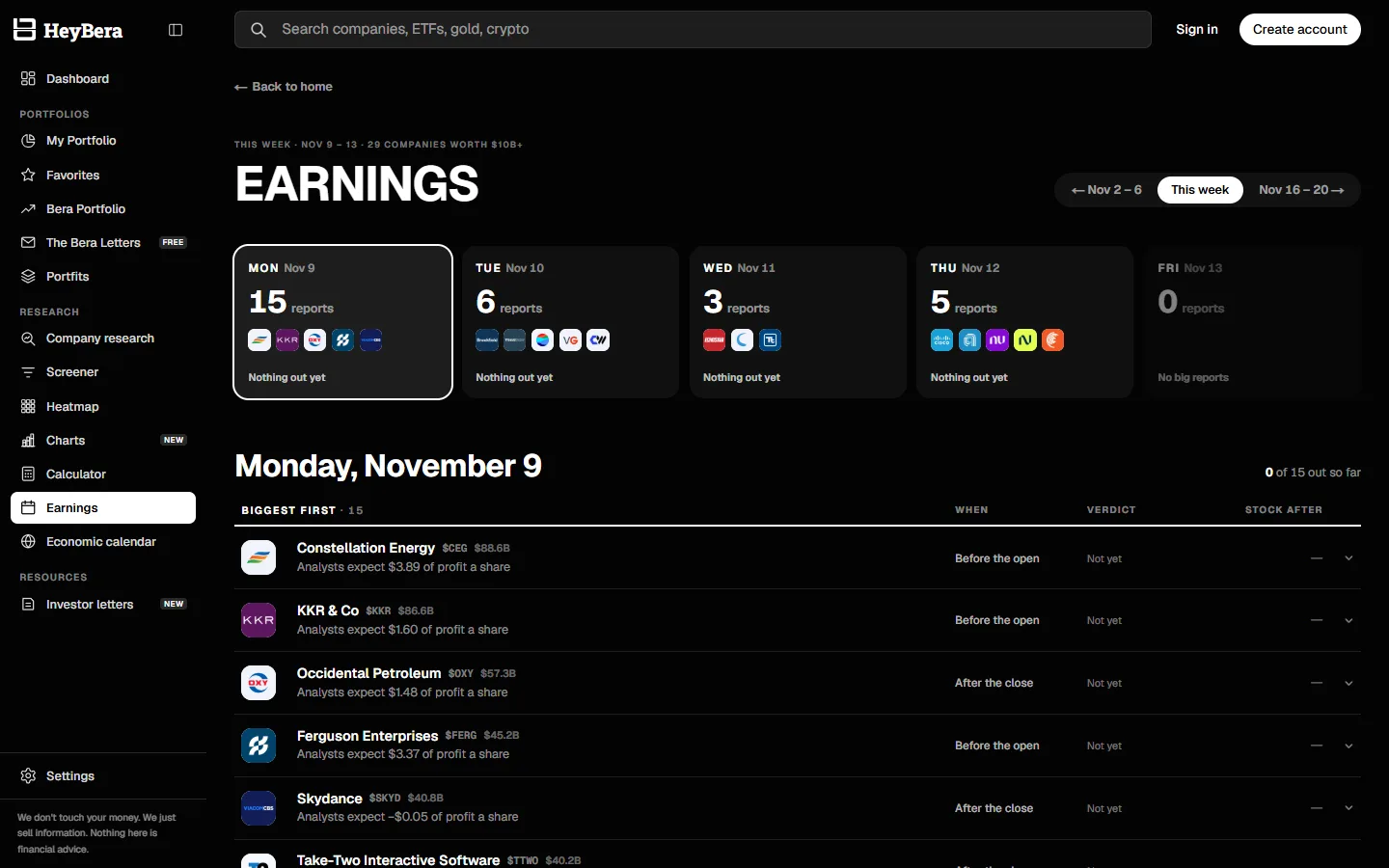
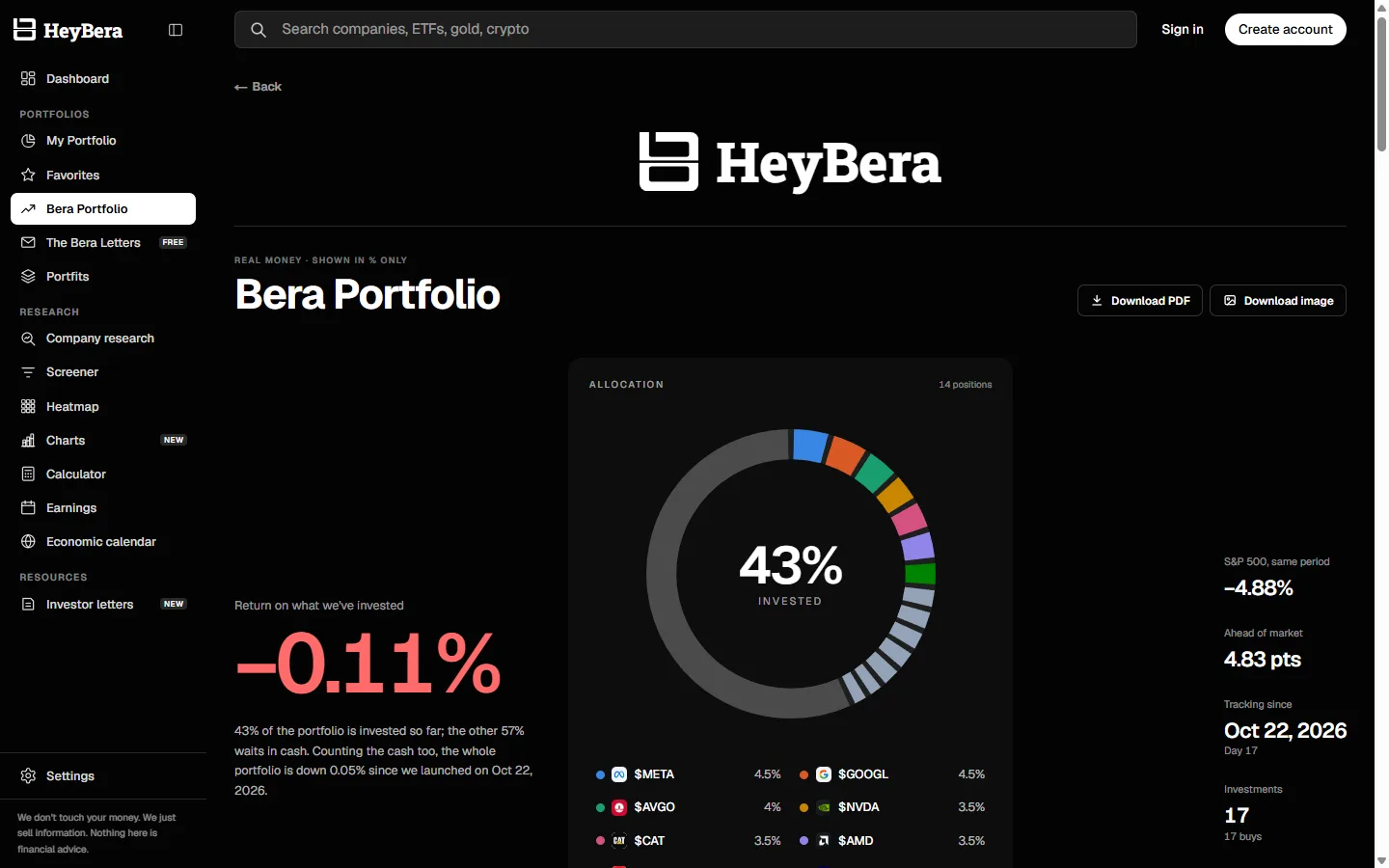
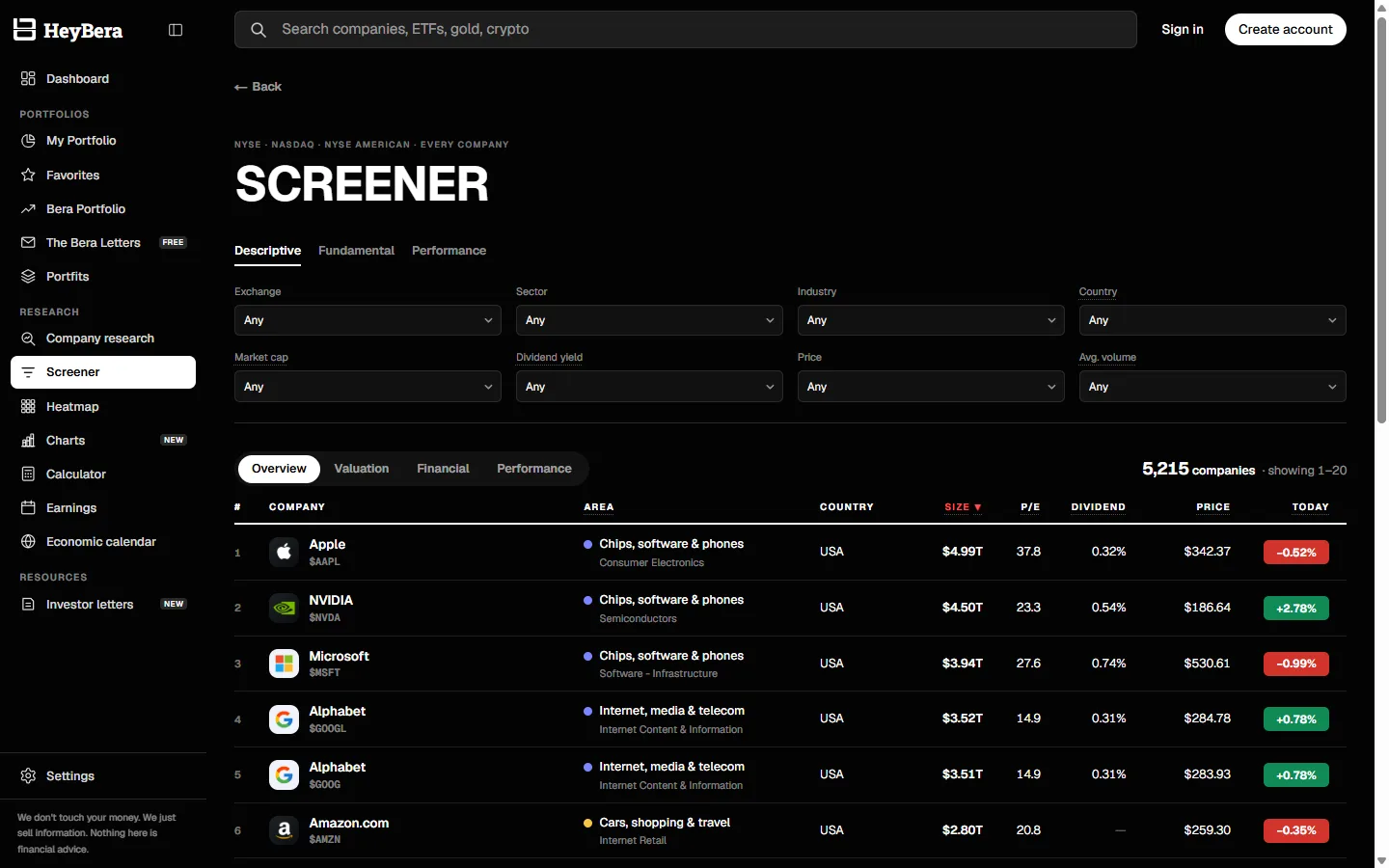
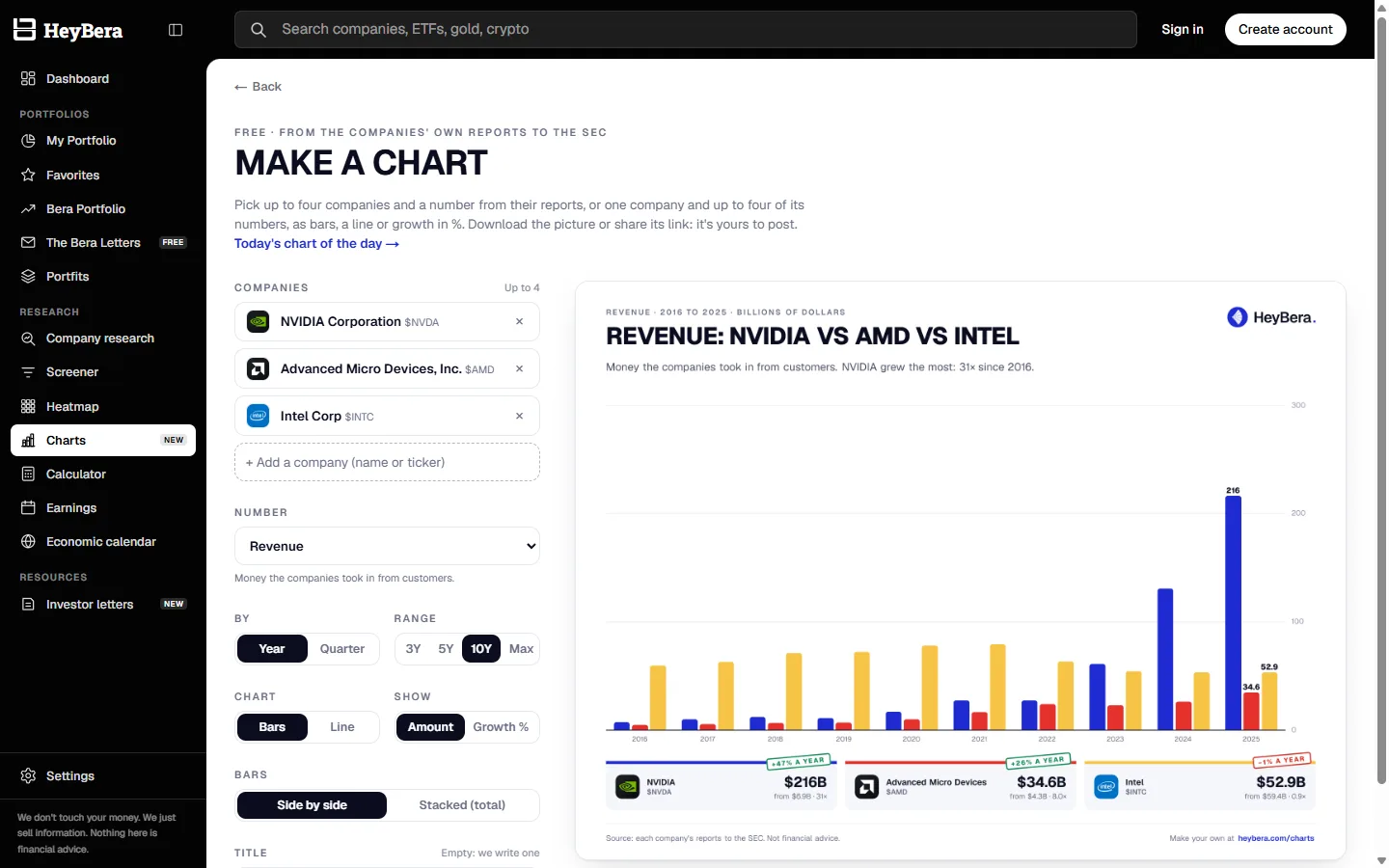
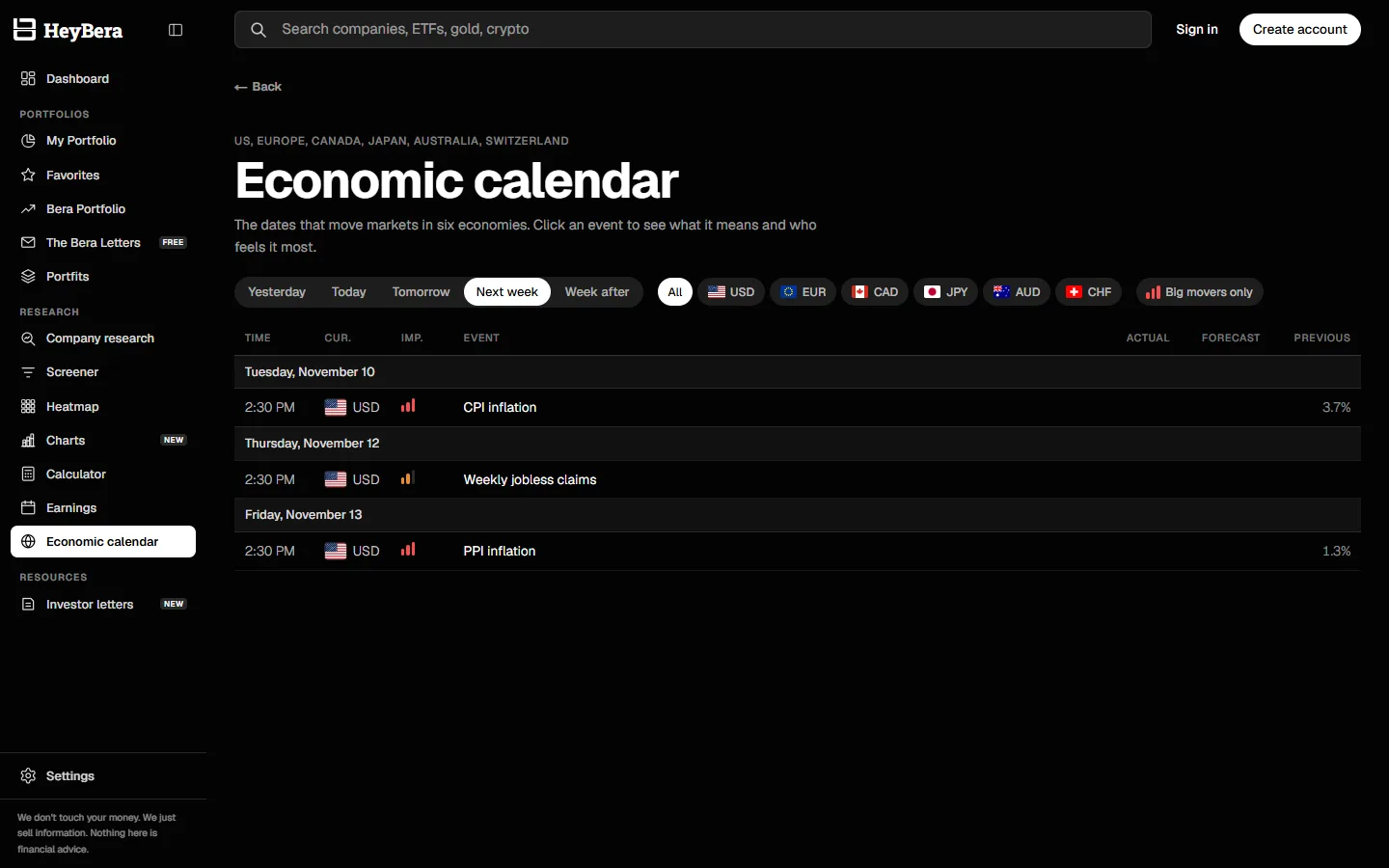
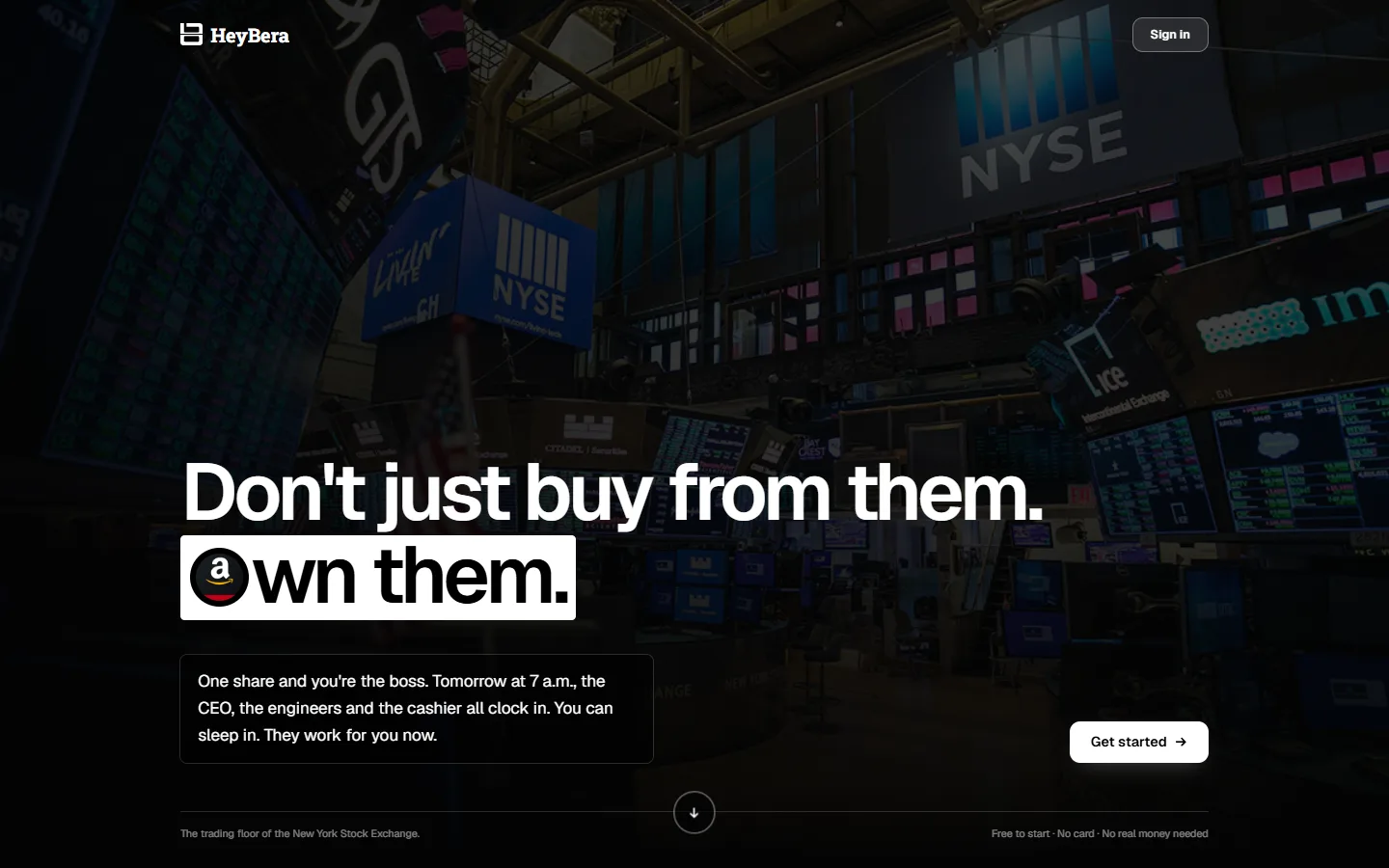
Most market news is written for people who already understand it. I wanted a site that explains the market to an ordinary person: what happened, why it matters and who it hits, with an example from everyday life.
The model: the data is free (prices, earnings, the calendar, research), and later people pay for an AI assistant and for the Bera Letters, a paid newsletter.
First version live on heybera.com: Next.js, a PostgreSQL database, the first company research.
Research tab and an AI chat about each company. US economic data (BLS, BEA) starts arriving on its own.
Dashboard redesign: a newspaper layout instead of a generic app.
Market news: headlines from CNBC, sorted by topic and scored for importance.
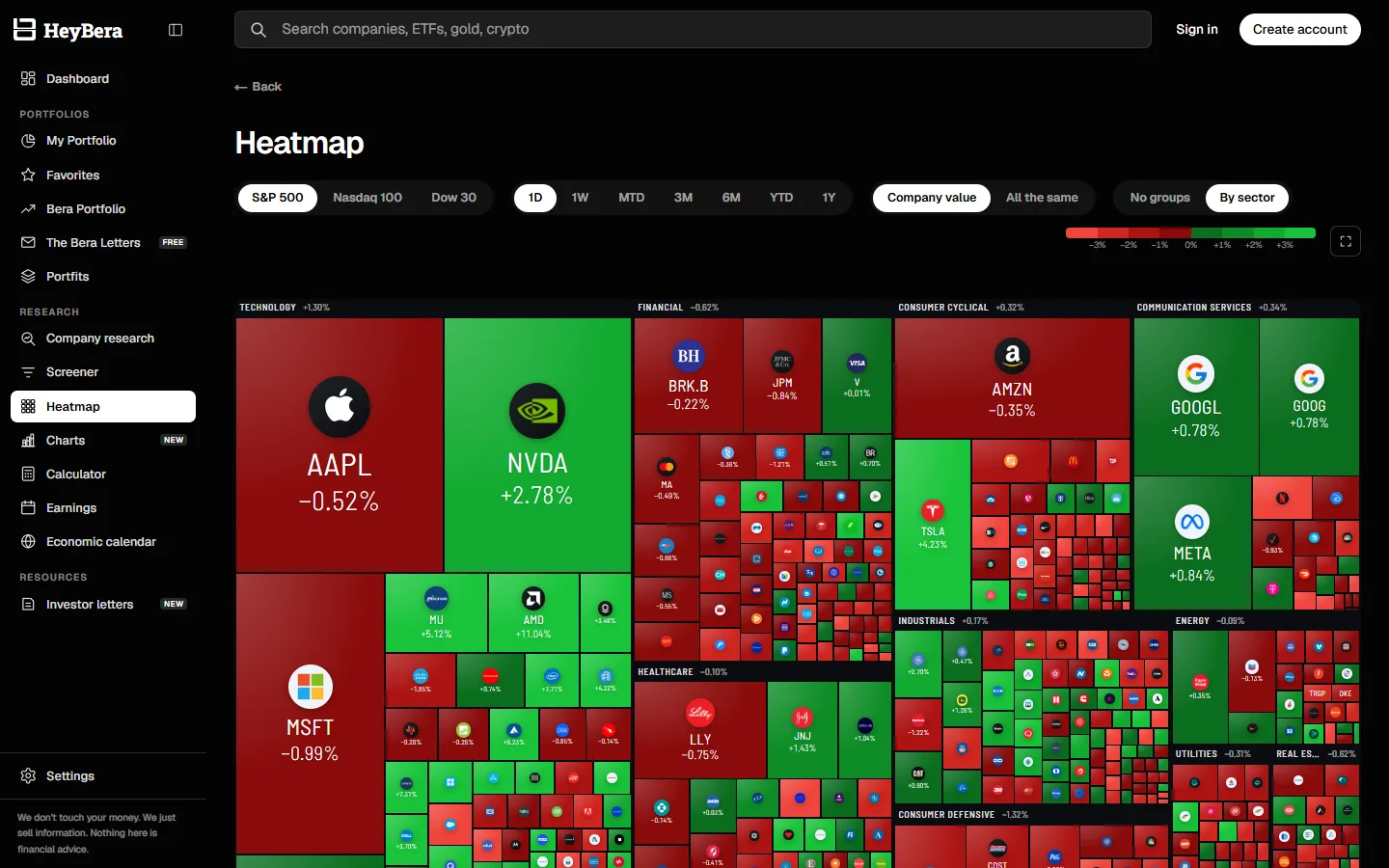
Charts, investor letters, a new earnings page, a stock screener and the heatmap.
Live prices (Alpaca, Finnhub) and an S&P 500 calculator with data back to 1928.
Full redesign in black, with a new logo.
01
One story each morning about the day before. With AI I go through sources from X (Twitter) to CNBC, pick the story that mattered most, and approve the draft before it is published. Each story stays up for seven days.
02
For every big company reporting the next day: what analysts expect, checked against a second source, and the questions that decide the result. After the report: the numbers and a verdict.
03
Inflation, jobs, central-bank decisions and business surveys for the US, the eurozone, Canada, Japan, Australia and Switzerland. Click an event to see what it means and who feels it most. US results fill in on their own when they are released.
04
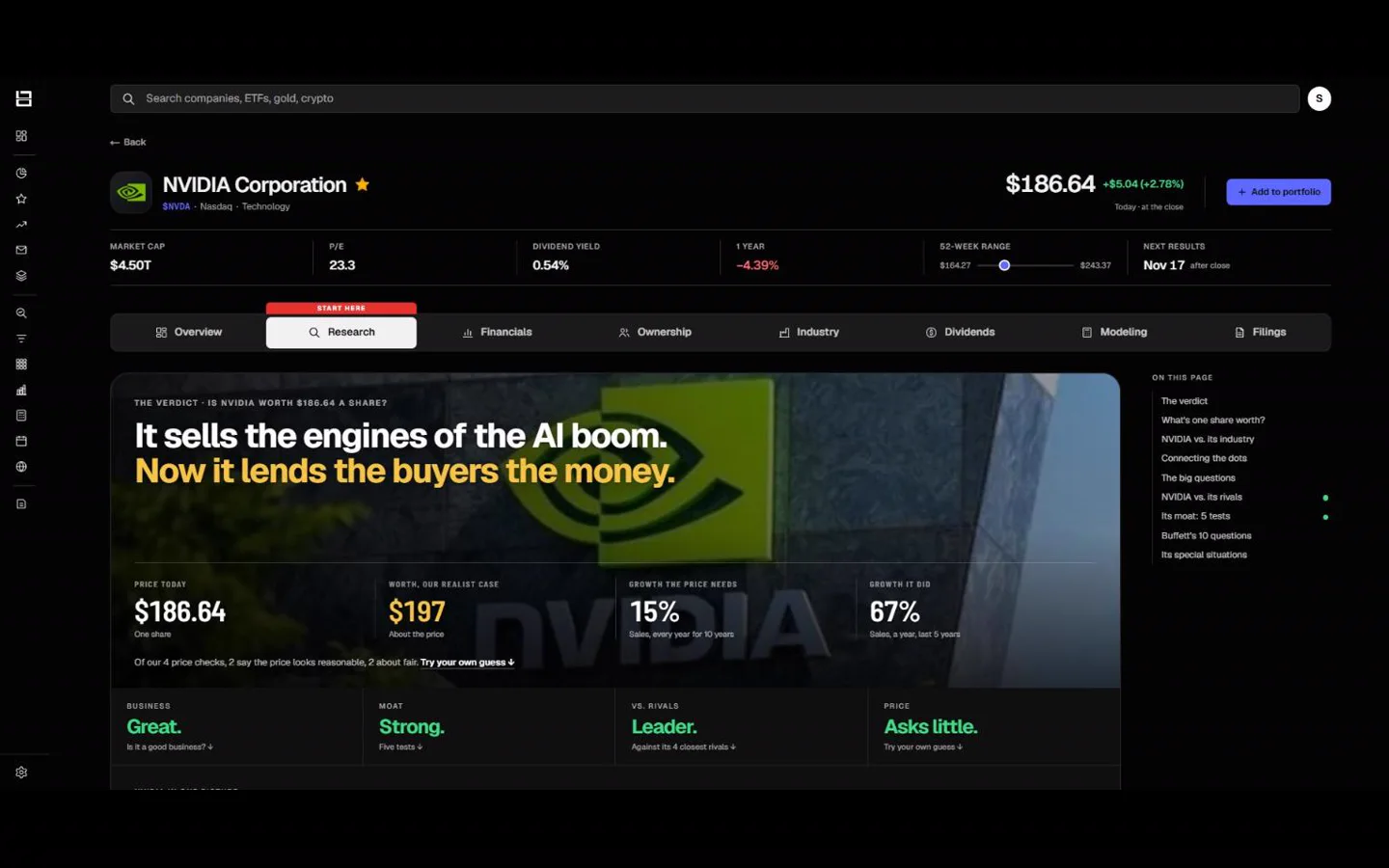
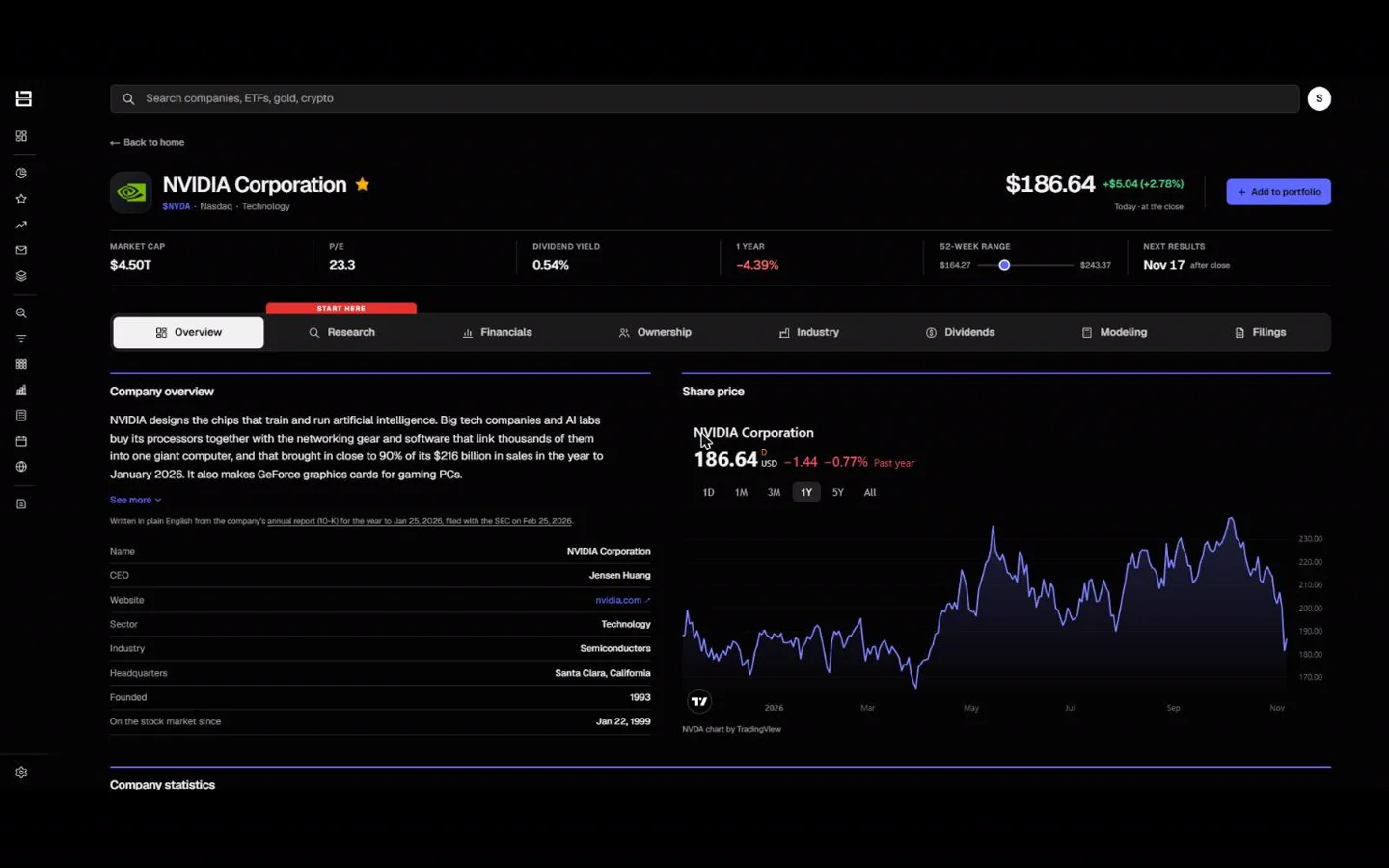
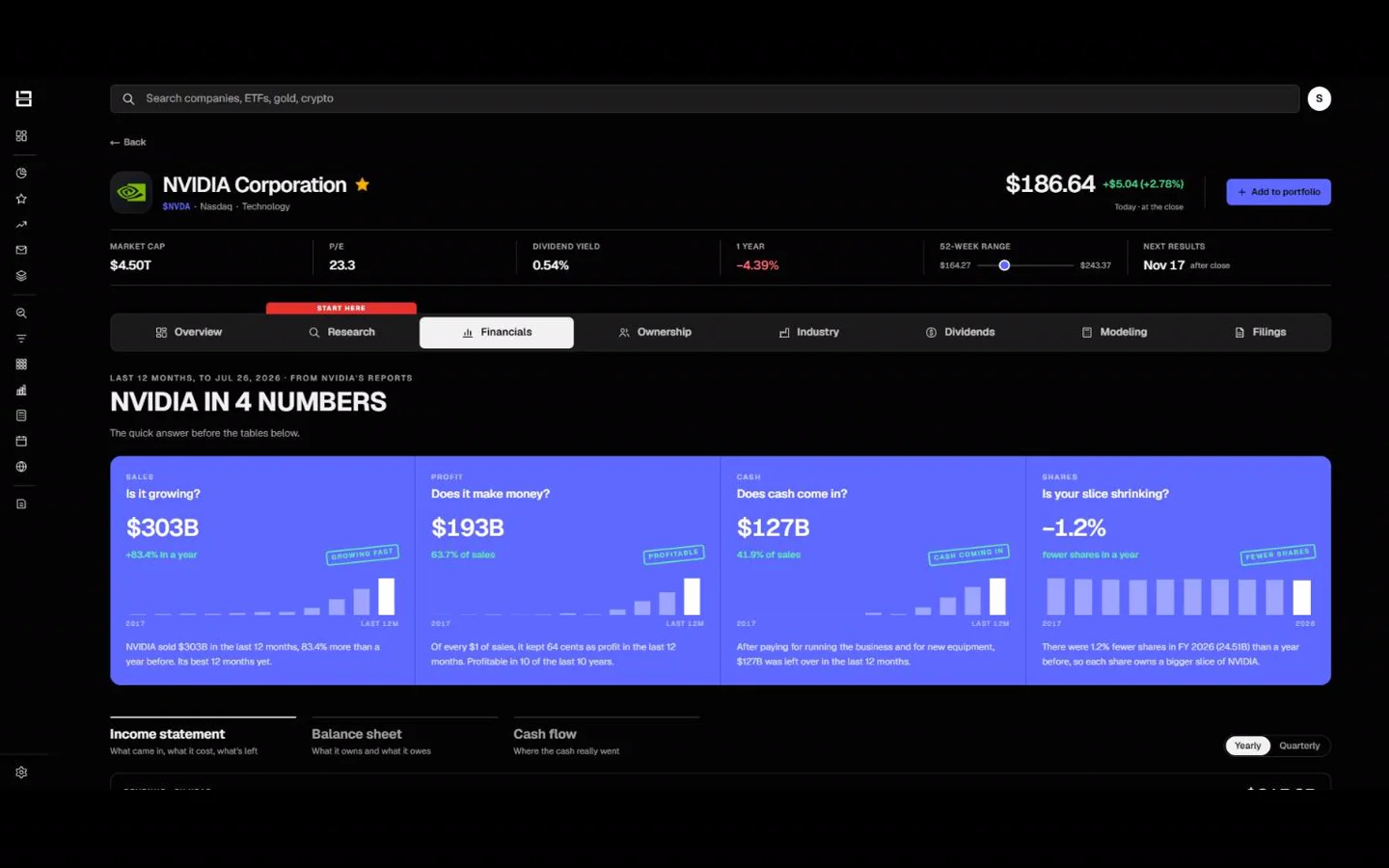
Every company on the NYSE and Nasdaq gets its own page, built from the numbers it reports to the SEC: overview, research, financials, ownership, industry, dividends, modeling and filings. 34 companies also have in-depth research in plain language, with a verdict, what one share is worth and what could go wrong.
05
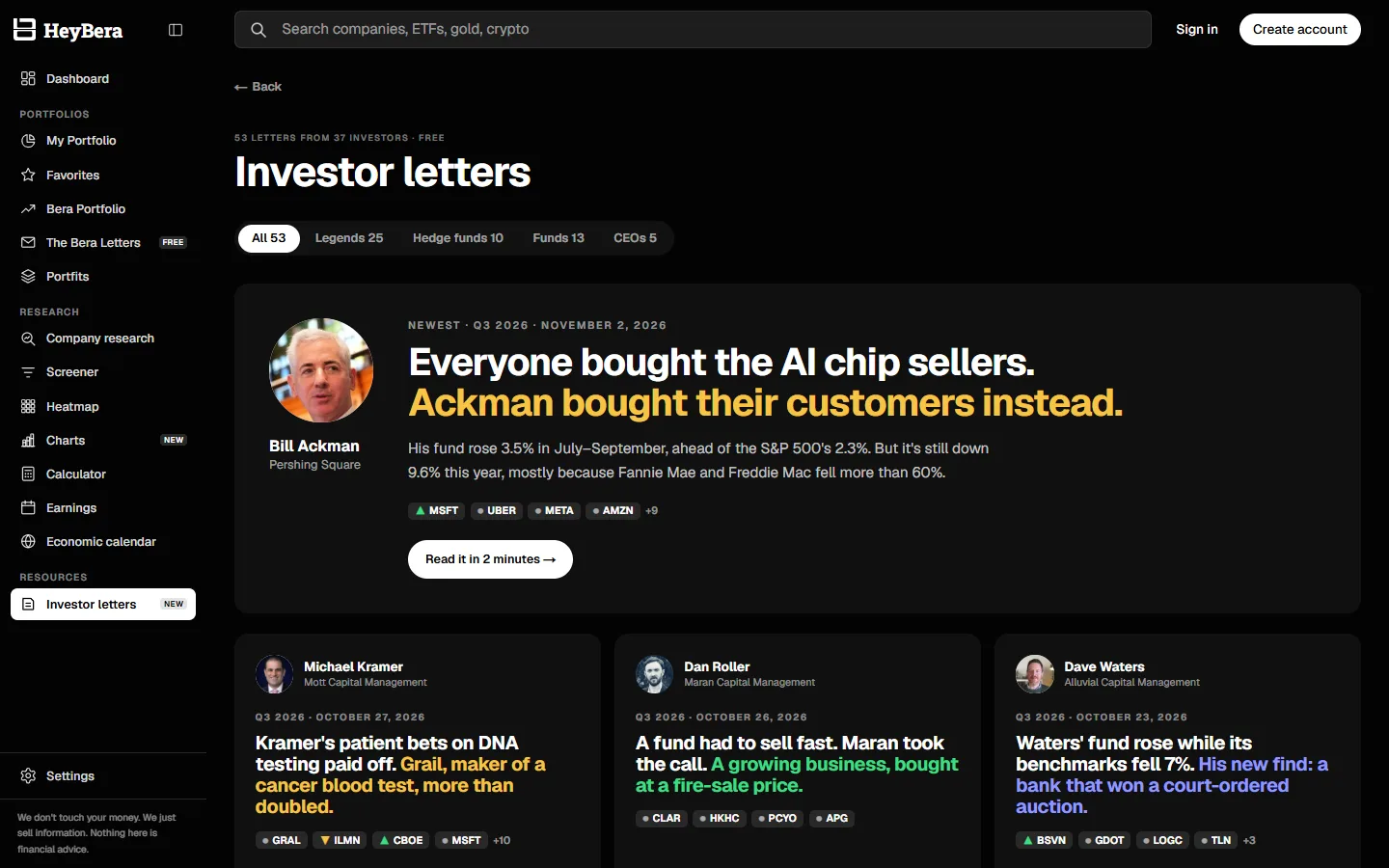
53 letters from 37 investors, from legends to hedge funds, each summed up so it can be read in two minutes.
06
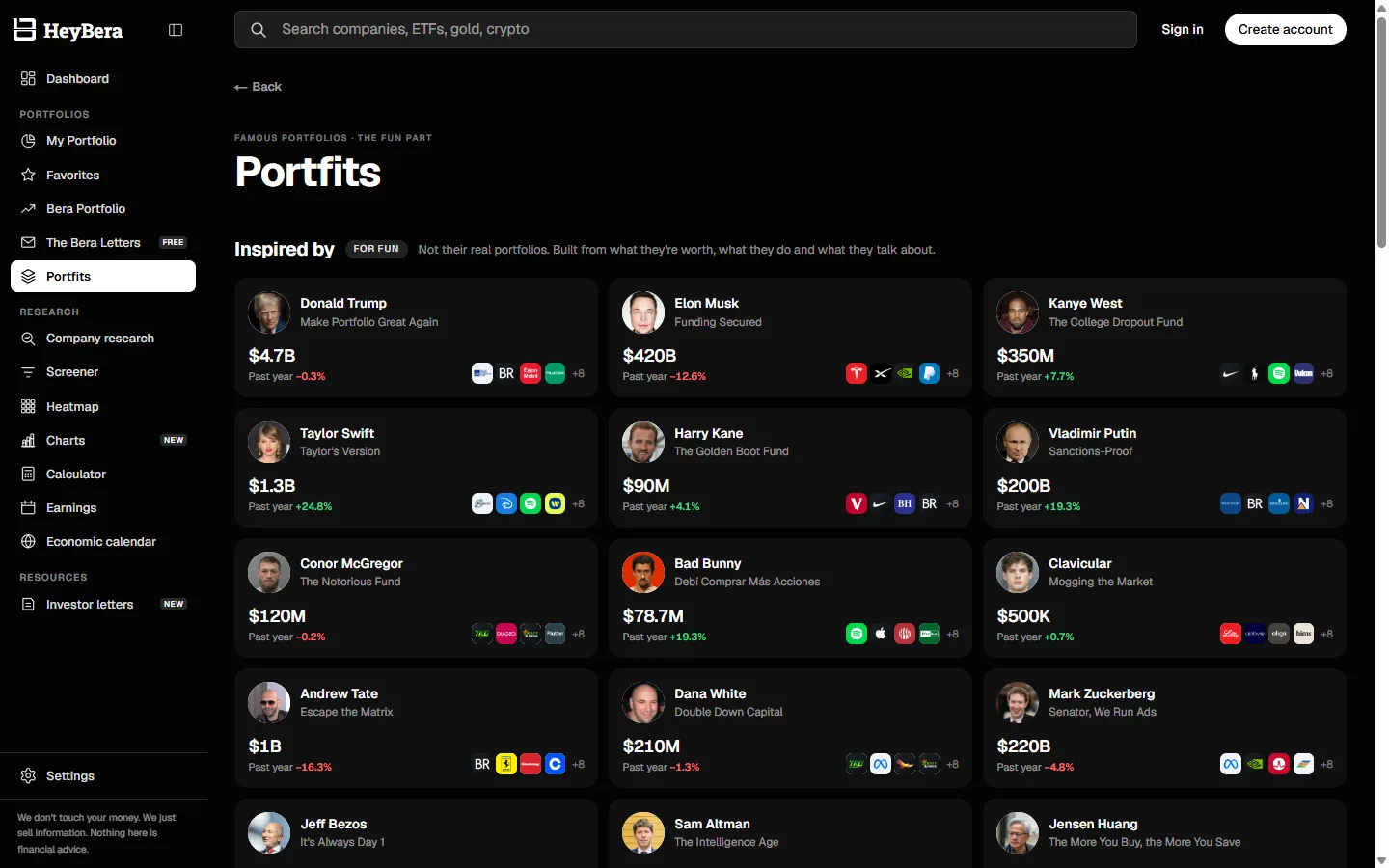
A stock screener, a heatmap of the S&P 500, Nasdaq 100 and Dow 30, charts to compare companies, live prices and portfolios people can build and follow.
Everything sits in one PostgreSQL database. Scheduled jobs load new earnings and economic results on their own, only when something is due, so the site keeps working without my computer.
Every text has to make sense to someone who has never bought a share: a comparison from everyday life and one concrete example. We say investments, never trades, because the site is about owning companies, not gambling on prices.
More research every day, the paid AI assistant and the Bera Letters newsletter.
Next case study
Protectum